
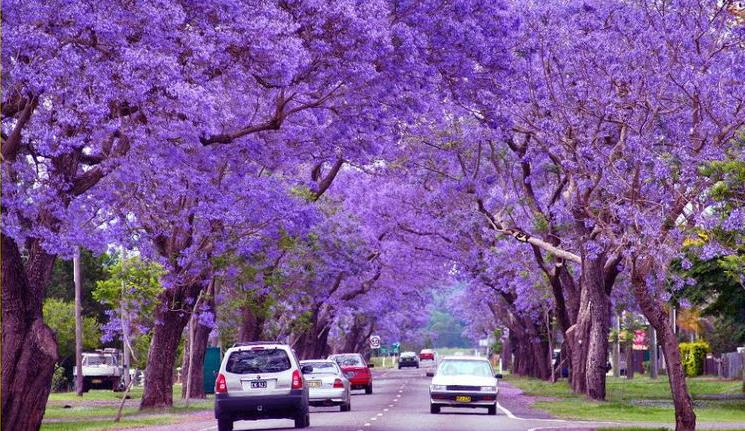
Wondering what to pack for Buenos Aires? The answer depends largely on when you are coming. Buenos Aires has four distinct seasons, and because Argentina is in the Southern Hemisphere, they are the opposite of those in North America and Europe.
Buenos Aires has a temperate climate, with an average annual temperature of around 18°C (64°F). Summers are hot and humid, winters are generally mild but can feel chilly, and spring and fall tend to bring more variable weather and rain. Humidity can also make the city feel warmer or colder than the temperature on your weather app suggests.
The good news is that you do not need to bring your entire closet. Smart layers, comfortable shoes and a few practical travel essentials will cover most situations during your Mente Argentina experience.
Buenos Aires Weather at a Glance
Weather can change quickly in Buenos Aires, so think in terms of layers rather than packing one type of clothing for an entire season.
| Season | Months | Typical Conditions | What to Pack |
|---|---|---|---|
| SPRING | September – November | Mild to warm, increasingly humid and changeable. Rainy days are common. | Light layers, waterproof jacket, sweater or sweatshirt, umbrella and comfortable closed-toe shoes. |
| SUMMER | December – February | Hot and humid. Average daytime highs are around 30°C (86°F), with hotter periods and occasional heat waves. | Light, breathable clothing, sandals, sunscreen, sunglasses, hat, umbrella and a light layer for strong indoor air conditioning. |
| FALL | March – May | Warm at the beginning of the season and progressively cooler. Weather can vary considerably from one day to the next. | Light clothing, sweaters, light jacket, raincoat or umbrella and comfortable walking shoes. |
| WINTER | June – August | Cool rather than severely cold. July is generally the coldest month, and nights can feel considerably colder than afternoons. | Warm jacket, sweaters, long-sleeve shirts, scarf and closed shoes. A hat and gloves can be useful on colder days. |
Winter tip: Buenos Aires winters are relatively mild outdoors, but some older apartments and buildings can feel surprisingly cool inside. Heating systems vary from building to building, so having a warm sweater or comfortable indoor layer is useful.
What Clothes Should You Pack for Buenos Aires?
Layers are the key. Buenos Aires weather can fluctuate during the same week, particularly in spring and fall. Instead of packing several bulky pieces, bring clothing you can easily combine as temperatures change.
Comfortable shoes matter. Buenos Aires is an extremely walkable city, but sidewalks can be uneven and you will encounter everything from decorative tiles to cobblestones. Comfortable sneakers or supportive walking shoes will serve you much better for everyday exploring than delicate footwear or high heels.
The local look: Porteños, as Buenos Aires locals are known, often dress in a relatively polished smart-casual style. You certainly do not need to dress formally, but simple, well-fitting clothes and versatile layers work well for classes, cafés, restaurants and nights out.
Traveling Beyond Buenos Aires?
Remember that Buenos Aires weather is not representative of the entire country. Argentina stretches from subtropical areas in the north to Patagonia and Tierra del Fuego in the south, so temperatures can be dramatically different if you travel during your program.
If you are planning trips to destinations such as Iguazú, Mendoza, Salta, Bariloche, El Calafate or Ushuaia, check the local forecast separately before leaving Buenos Aires. Depending on your itinerary, you may need hiking shoes, warmer outerwear, rain protection or additional summer clothing.
Money & Payment Tips for Argentina
Argentina’s exchange-rate environment can change, so avoid relying on one payment method. For most international visitors, the most practical approach is a combination of foreign-issued cards and a reasonable amount of cash.

For a more complete and regularly updated explanation of exchange rates, cards and cash, see our Money in Buenos Aires guide.
- Foreign credit and debit cards: Foreign-issued Visa, Mastercard, American Express and other eligible international cards can generally access Argentina’s preferential exchange-rate system for non-resident purchases. The rate is based on Argentina’s financial-dollar market rather than simply using the traditional retail exchange rate. The exact rate, processing method and timing can vary by card network and issuer.
- Pay in Argentine pesos: When paying locally, transactions should normally be charged in Argentine pesos (ARS). If a payment terminal or merchant offers to convert the purchase into your home currency, check the rate carefully before accepting that conversion.
- Carry some cash: Cards are widely accepted in Buenos Aires, but cash remains useful for small purchases, tips, smaller businesses and places that offer a cash discount. If you bring U.S. dollars, larger clean bills are often easier to exchange than damaged or very small denominations.
- Use reputable exchange services: Exchange money through established banks, exchange houses or other reputable services rather than exchanging money with strangers on the street.
- Check your card fees: Your home bank may still charge foreign-transaction, ATM or currency-conversion fees even when Argentina’s preferential exchange rate applies. Check your issuer’s terms before traveling.
Important: exchange rates and payment rules can change. Use the information above as a practical guide, but always check your card issuer’s current rate and fees before making a large transaction.
Electronics, Plugs & Chargers

Argentina uses 220V electricity at 50Hz. The most characteristic outlet is Type I, with flat angled pins, although Type C two-round-pin outlets are also common.
A universal travel adapter is therefore one of the most useful things you can pack. Check the small print on your laptop, phone charger, camera charger and other electronics. If the device says something like Input: 100–240V, you normally only need a plug adapter. Devices designed exclusively for 110V may require a voltage converter as well.
Other Useful Things to Pack
- Prescription medication: bring enough for your stay whenever possible, together with a copy of your prescription. Having the generic medication name written down can also be useful.
- Compact umbrella or light rain jacket: particularly useful during spring and fall.
- Sunscreen and sunglasses: useful throughout the year and especially important during the Buenos Aires summer.
- Reusable water bottle: useful for long days of classes, activities and exploring the city.
- Small everyday bag or backpack: choose something comfortable and easy to keep secure while using public transportation or walking around the city.
- A second bank card: when possible, travel with a backup card and store it separately from your primary wallet.
- Copies of important documents: keep secure digital copies of your passport, insurance information, prescriptions and other important travel documents.
Quick Buenos Aires Packing Checklist
- Comfortable walking shoes
- Lightweight everyday clothing
- One or two warmer layers
- Weather-appropriate jacket
- Compact umbrella or rain jacket
- Sunscreen and sunglasses
- Universal Type I-compatible plug adapter
- Phone and chargers
- Prescription medication and documentation
- Foreign-issued debit or credit card
- Backup payment method
- Some emergency cash
- Copies of important travel documents
One Final Packing Tip
Do not stress about packing perfectly. Buenos Aires is a major international city, so if you forget a sweater, toiletries, an umbrella or an everyday item, you will almost certainly be able to buy it after you arrive.
Focus on bringing the things that are difficult to replace: important documents, medication, your preferred electronics, a reliable payment method and clothes appropriate for your first few days.
Once you arrive, the Mente Argentina team will help you get oriented so you can spend less time worrying about logistics and more time enjoying Buenos Aires.
Still preparing for your stay? Explore our Buenos Aires accommodation options and our helpful resources for studying in Argentina.