

Immerse yourself in the vibrant language of Buenos Aires with this guide to lunfardo, the colorful slang of porteños (Buenos Aires natives). Whether you’re a student studying abroad, a cultural traveler, or a professional interning in the city, mastering lunfardo will enhance your experience. From the unique “sheísmo” accent (y and ll pronounced as “sh”) to the use of vos instead of tú, porteño Spanish is distinct. Staying with Mente Argentina in Palermo, Recoleta, or Barrio Norte? You’ll hear these terms daily!
Table of Contents
-
What Is Lunfardo?
-
Top Lunfardo Terms to Know
-
Tips for Learning Lunfardo
What Is Lunfardo?
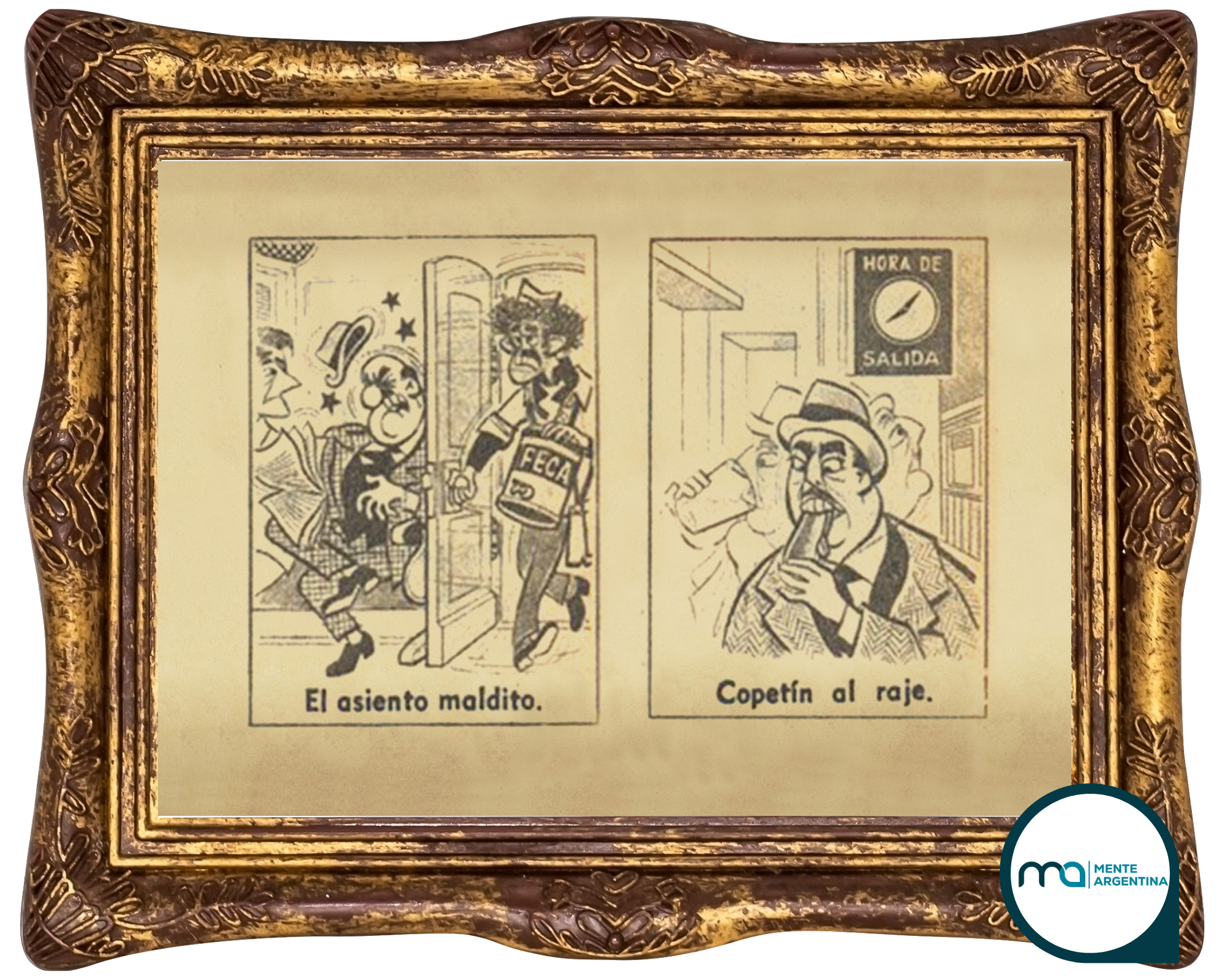
Lunfardo is the iconic slang of Buenos Aires, born in the late 19th century during a wave of Italian immigration (1870s) amid Italy’s economic instability and unification. Influenced by Italian, gaucho, and African lexicon, lunfardo started among the lower classes in Buenos Aires, Rosario, and Montevideo, Uruguay, before spreading to all social classes. It’s deeply woven into tango lyrics and everyday porteño speech, characterized by unique features like vesre (reversing syllables, e.g., “telo” from “hotel”). Studying Spanish with Mente Argentina? You’ll hear lunfardo in our classes and on the streets of Palermo and Recoleta! Join our Spanish programs.
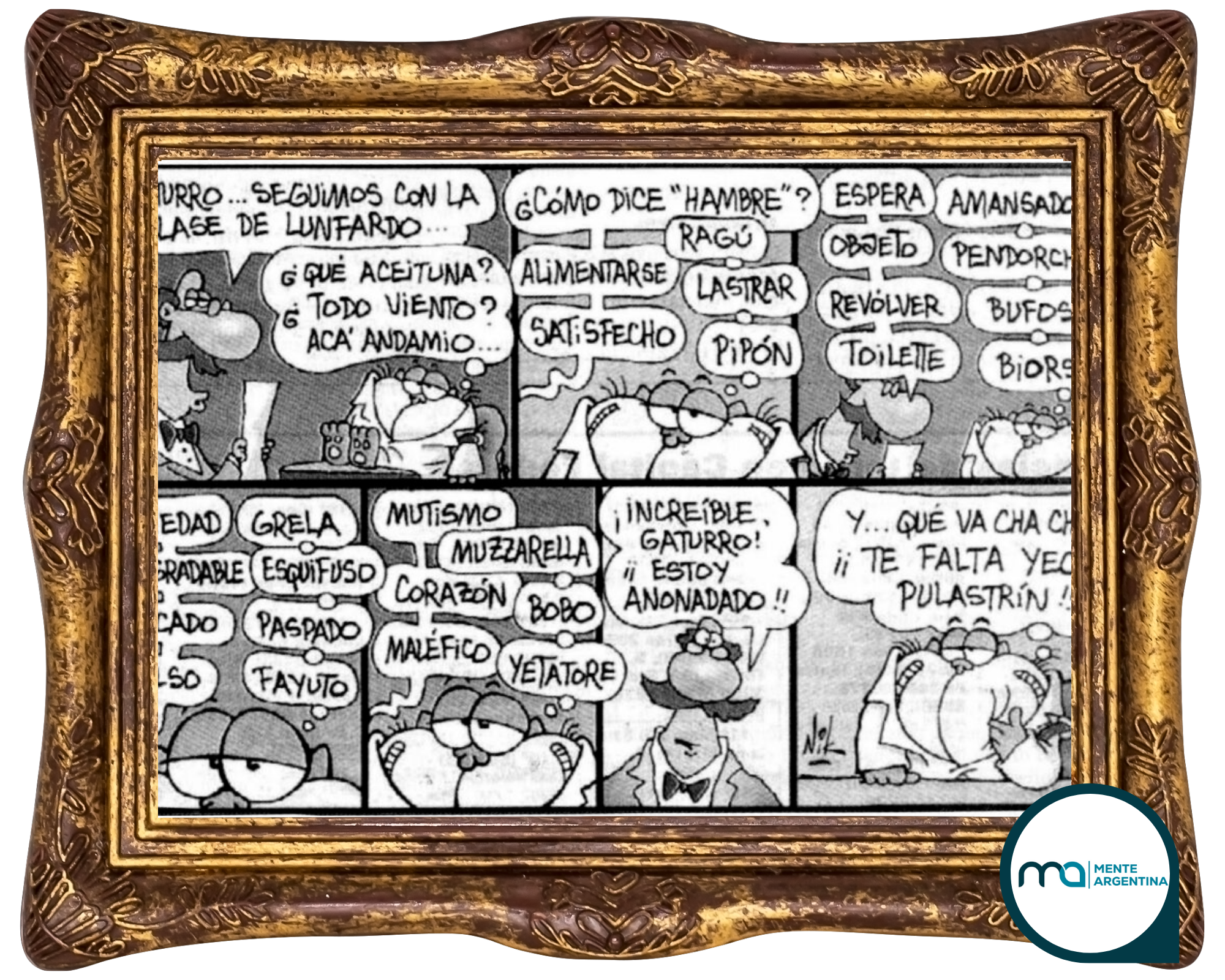
Top Lunfardo Terms to Know
Lunfardo evolves, blending historical roots with modern twists. Below, we’ve divided essential terms into Classic Lunfardo (late 19th-century origins from Italian immigrants, gauchos, and urban life) and Modern Lunfardo (20th-21st century adaptations for today’s porteños). Use these to chat like a local in Palermo cafes or Recoleta tango classes!
Classic Lunfardo
These terms emerged in Buenos Aires’ immigrant underbelly, popularized in tango and daily life:
- Afanar: To steal (from old Spanish).
- Alcahuete: A snitch or tattle-tale (from Arabic via Spanish “alcahuete,” a pimp or informer). “Buchón” for a more modern twist.
- Bárbaro: Great, cool (from indigenous “bárbaro” for foreigner, now positive).
- Berreta: Cheap or poor quality (from Italian “poveretto,” meaning pitiful).
- Boludo/a: Idiot (insult) or endearment (from “boludo,” big-headed fool).
- Boliche: Dance club (from Italian “bottega,” a small shop, evolving to bar/club).
- Bondi: Bus (short for “colectivo,” from Brasilian “bond” used for the tramway).
- Bronca: Anger or frustration (from Italian “brontolare,” to grumble).
- Careta: Fake, masked person (from “cara,” face, implying a disguise).
- Chabón: Guy (modern twist on “chabón,” from “chabacano”).
- Chamuyar: Smooth-talking, flirting (from gaucho “chamuyo,” cattle deception).
- Chamuyero: A flirtatious guy (extension of chamuyar).
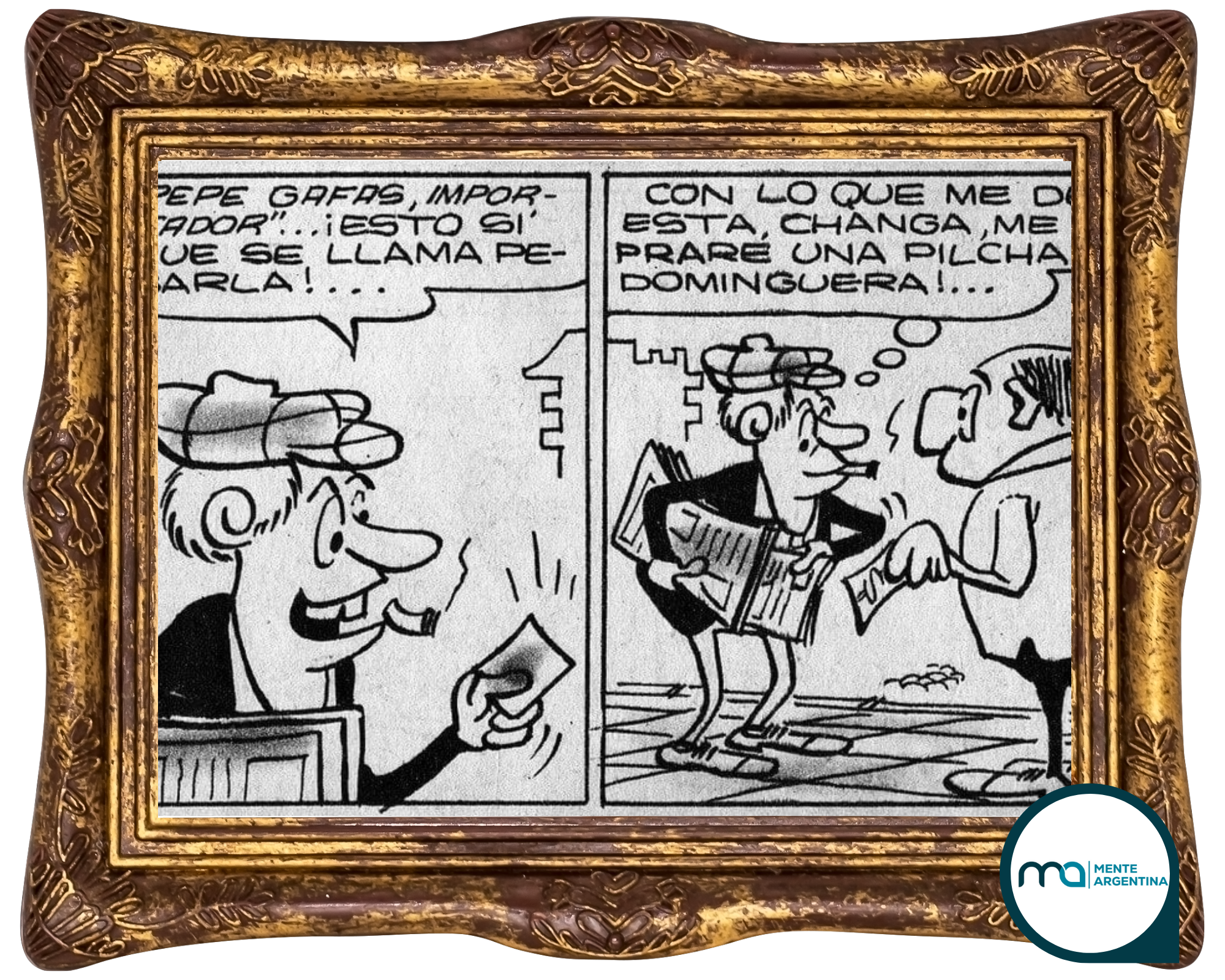
- Changa: Tempjob (from colloquial Spanish, insignificant job).
- Charlatán: Show-off or know-it-all (from Spanish “charlatán,” quack).
- Che: Hey or interjection (from guaraní meaning my or I used in lunfardo calls).
- Chorro: Thief (from Italian “ciorare,” to steal).
- Dale: Okay, go ahead (from “darle,” to give it, encouraging action).
- Fiaca: Laziness (from Italian “fiacca,” weakness).
- Forro: Condom or idiot (from Portuguese “forro,” lining, slang for cheap).
- Groso: Big, important (from Portuguese “grosso”
- Guita: Money, cash (from Italian “guetta,” throat, via pickpocketing slang).
- Laburar: To work (from Italian “lavorare,” to labor).
- Laburo: Job (from Italian “lavoro”).
- Luca: 1,000 pesos (from Italian “lucca,” a coin).
- Mango: Money (from “mango,” handle, via gaucho tool value).
- Mina: Woman (from Italian “madonna,” lady, affectionate).
- Morfar: To eat (from Italian “mordere,” to bite).
- Morfi: Food (short for morfar).
- Pelotudo: Idiot (from “pelota,” ball, implying fool).
- Pibe: Kid (from Genoese “pivetto,” boy).
- Pilcha: Clothing (from Araucanian “
- Plata: Money (from Spanish “plata,” silver, for coins).
- Pucho: Cigarette (from Mapuche “pucho,” remnant).
- Quilombo: Mess or brothel (from African Bantu “quilombo,” refuge).
- Telo: Pay-by-the-hour motel (vesre of “hotel”).
- Trucho: Fake (from Italian “strucco,” disguised).
- Vesre: Syllable reversal (from “revés,” reverse).
Modern Lunfardo
These contemporary gems adapt classic roots for urban life, social media, and youth culture:
- A full: Busy or crowded (“Estoy a full con la facultad”).
- Boludez: Easy or unwanted task.
- Boludear: To joke or waste time (“Me estás boludeando”).
- Buena onda: Cool vibe.
- Capaz: Maybe.
- Estar en pedo: Drunk or in trouble.
- Huevos: Balls (courage), as in “Me costó un huevo y medio” (very expensive).
- Joda: Wild party.
- Medio: Kind of (“Es medio difícil”).
- ¡Mirá vos!: Wow!
- Un montón: A ton.
- Posta: For real / the real deal.
- Re-: Very (“Recontento”).
- Subte: Subway.
- Tener ganas: In the mood.
- Pilas: Energy (“Con pilas” = excited).
- Tipo: Dude or around (“Tipo a las 8”).
- Viste: You know?
Master lunfardo with Mente Argentina’s Spanish classes! Enroll now.
Tips for Learning Lunfardo
-
Immerse Yourself: Practice lunfardo by chatting with locals in Palermo or Recoleta cafes.
-
Take Spanish Classes: Mente Argentina’s programs combine classroom learning with real-world practice.
-
Listen to Tango: Study tango lyrics to spot lunfardo terms like “mina” or “chabón.”
-
Use Basic Phrases: Start with “che,” “dale,” or “bárbaro” to sound natural.
-
Watch Local Media: Argentine shows or podcasts (e.g., on Spotify) feature lunfardo in context.
-
Practice Vesre: Try reversing syllables (e.g., “telo” from “hotel”) for fun.
