
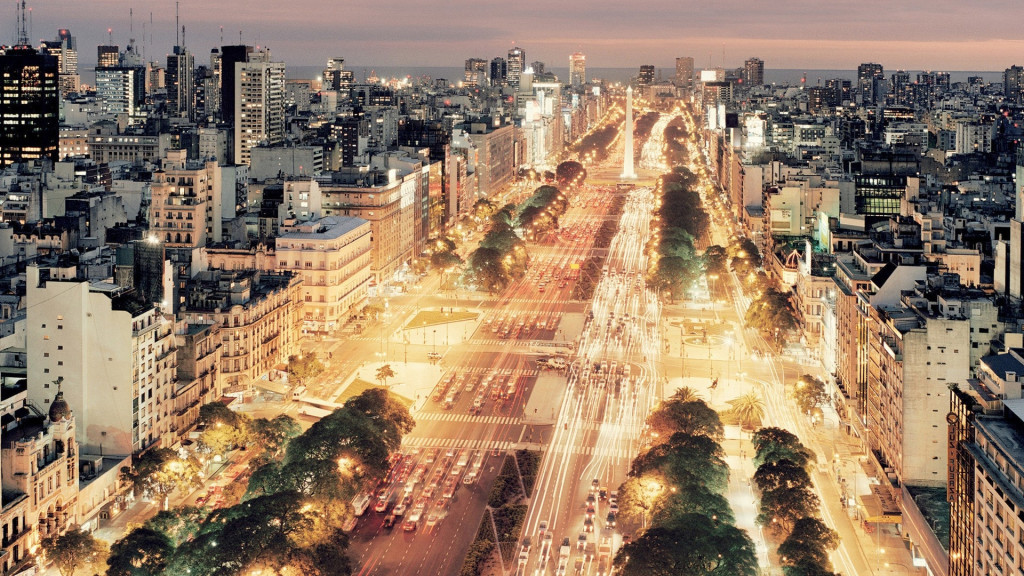
Buenos Aires doesn’t really have a bedtime.
Dinner can start at 10:00 p.m., cocktails may come after midnight, and many boliches don’t truly get going until 2:00 or 3:00 in the morning. For international students and travelers, adjusting to that rhythm is part of learning how Buenos Aires works.
But Buenos Aires nightlife is much more than nightclubs.
Depending on the night, you might find yourself drinking vermouth in an old neighborhood bar, listening to live jazz in San Telmo, dancing to electronic music in Palermo, joining a language exchange, watching a percussion show at a cultural center or finishing the night with pizza and friends as the sun comes up.
This guide explains where to go out in Buenos Aires, which neighborhoods are best for different kinds of nights, what time locals actually go out and how to experience the city’s nightlife safely and like a porteño.
What Is Buenos Aires Nightlife Really Like?
The first thing to understand is that nightlife in Buenos Aires starts late.
A typical evening may look something like this:
- 8:00–10:00 p.m.: dinner, drinks or an early cultural event
- 10:00 p.m.–midnight: bars begin filling up
- Midnight–2:00 a.m.: cocktails, live music, parties and pre-club drinks
- 2:00–3:00 a.m.: many clubs begin reaching their busiest point
- 4:00–6:00 a.m.: a normal ending time for a serious night out
You certainly don’t need to stay out until sunrise to experience Buenos Aires, but arriving at a nightclub at 10:30 p.m. and wondering why it’s empty is a classic first-week mistake.
The rhythm is social rather than rushed. Dinner lasts longer. Drinks last longer. People move between places, meet friends along the way and generally start much later than visitors from North America or northern Europe may expect.
Best Neighborhoods for Nightlife in Buenos Aires
There isn’t one nightlife district. Different Buenos Aires neighborhoods offer completely different experiences.
Palermo Soho & Palermo Hollywood
If you are new to Buenos Aires, Palermo is the easiest place to begin.
The area has one of the city’s highest concentrations of cocktail bars, restaurants, breweries, clubs and late-night venues. Palermo Soho generally feels more walkable and social, while Palermo Hollywood mixes restaurants, bars, clubs and entertainment venues.
You’ll encounter a mixture of porteños, international students, expats and visitors, making Palermo particularly easy for newcomers who haven’t yet built a local social circle.
It’s also one of the best neighborhoods for moving between dinner, drinks and dancing without crossing the entire city.
San Telmo
San Telmo offers a completely different atmosphere.
Think historic buildings, traditional bars, intimate live music venues, restaurants, tango influences and a more bohemian feel.
A San Telmo night can begin with dinner or vermouth at an old-school bar, continue with live music and finish somewhere entirely unexpected.
If your goal is to experience nightlife with more visible Buenos Aires history and character, San Telmo is a strong choice.
Recoleta
Recoleta works particularly well for cocktails, wine bars and a more polished evening.
It generally isn’t the first neighborhood we’d recommend for someone searching for a huge electronic party, but it is excellent for dinner, elegant bars and a night where conversation matters as much as dancing.
Almagro & Abasto
For students who want something less polished and more local, explore Almagro and Abasto.
These neighborhoods are home to cultural centers, music venues, traditional bars, theaters and some of the city’s most interesting independent nightlife.
They also provide a useful reminder that Buenos Aires nightlife extends far beyond Palermo.
Costanera Norte
Some of Buenos Aires’ largest electronic music venues and events take place along Costanera Norte.
This is where nights can become bigger productions: international DJs, large dance floors and major electronic events.
The important difference is transportation. Many Costanera venues are relatively isolated from normal pedestrian areas, so arrange a taxi or ride-share directly to and from the venue rather than planning to walk around afterward.
Bars in Buenos Aires: Where the Night Usually Begins
You don’t have to go clubbing to enjoy Buenos Aires nightlife.
The city’s bar culture covers almost every possible style: historic cafés, traditional bodegones, craft beer bars, wine bars, rooftops, cocktail lounges, neighborhood pubs and hidden speakeasies.
A few long-established names and styles worth exploring include places such as Milión in Recoleta, Gibraltar in San Telmo and the constantly changing cocktail scene around Palermo.
But rather than treating any online article as a permanent ranking of the “10 best bars,” use recommendations as a starting point.
Buenos Aires nightlife changes quickly. New places open, fashionable neighborhoods shift and a venue that is packed one year may feel completely different the next.
One of the best strategies is simply to choose a neighborhood, reserve somewhere for dinner or the first drink and see where the night takes you.
Speakeasies & Cocktail Bars
Buenos Aires developed a particularly strong cocktail culture over the last decade.
Hidden entrances, themed bars and speakeasy-style venues became especially popular in Palermo and surrounding neighborhoods.
Frank’s Bar helped popularize that style in Buenos Aires and remains one of the city’s recognizable names.
Elsewhere, you’ll find everything from highly technical mixology to simple neighborhood bars serving Fernet, vermouth and classic Argentine drinks.
If cocktails interest you, don’t focus only on internationally familiar drinks. Ask what the bartender recommends locally.
Trying Argentine wine, vermouth or a properly mixed Fernet con Coca tells you more about everyday Argentine drinking culture than ordering exactly what you would at home.
For a deeper introduction, see our guide to Malbec and Argentine wine.
Electronic Music & Clubs in Buenos Aires
Buenos Aires has one of Latin America’s most established electronic music scenes.
House, techno and electronic events range from small underground parties to large venues hosting internationally known DJs.
Crobar remains one of the recognizable names associated with the city’s electronic scene, while Niceto Club has long been part of Buenos Aires’ broader nightlife and live-music culture.
Large event-based parties also move between different venues, which is why checking the organizer’s official social media on the same week you plan to go is much more reliable than relying on an old address from a travel article.
For students interested in music beyond simply attending parties, Buenos Aires can also become a classroom.
Mente Argentina’s DJ Program in Buenos Aires combines individual and group instruction with hands-on practice using professional equipment, covering beat matching, mixing, track selection, set construction and the creative side of DJing.
Studying the technical side of music while simultaneously experiencing one of South America’s major nightlife scenes gives the program an obvious real-world context.
Live Music in Buenos Aires
Not every great Buenos Aires night needs a DJ.
The city has an enormous live music culture that includes rock nacional, jazz, indie music, tango, folklore, percussion and experimental performances.
Bebop Club in Palermo is a well-known option for jazz, funk, soul and other live performances, while cultural centers throughout neighborhoods such as Almagro, Villa Crespo and Chacarita regularly host smaller events.
Concert calendars change constantly, so check current listings while you’re here rather than planning every night before arriving in Argentina.
Monday Night: La Bomba del Tiempo
One Monday-night institution deserves its own mention.
La Bomba del Tiempo is the improvisational percussion ensemble associated with Ciudad Cultural Konex in Abasto.
The Monday performance has become one of Buenos Aires’ best-known cultural nights, bringing together locals, students and international visitors.
It’s a particularly good example of how blurry the line between “culture” and “nightlife” can be here: it is a performance, social event and night out at the same time.
Read more in our guide to La Bomba del Tiempo in Buenos Aires.
Buenos Aires Nightlife by Day of the Week
One of the unusual things about Buenos Aires is that nightlife doesn’t belong exclusively to Friday and Saturday.
You can find something happening almost every night of the week.
Monday
La Bomba del Tiempo is the obvious cultural starting point. Monday can otherwise be quieter, which makes it a good evening for bars, restaurants and meeting people without dealing with weekend crowds.
Tuesday & Wednesday
Midweek is when language exchanges, international gatherings, live music nights and smaller parties become particularly useful.
For students, these evenings can actually be more social than enormous weekend clubs because it is easier to talk to people.
Thursday
Thursday effectively begins the Buenos Aires weekend.
Bars fill up, club nights become more active and Palermo in particular starts feeling significantly busier.
Friday
Friday offers almost everything: electronic music, cocktail bars, live performances, large parties and neighborhood bars.
Saturday
This is the biggest traditional nightlife night.
Restaurants run late, clubs fill very late and major electronic events commonly fall on Saturday.
Sunday
Sunday doesn’t necessarily mean staying home.
Look for live music, relaxed bars, comedy, cultural events or an early dinner after a long weekend.
Buenos Aires rewards people who stop thinking that nightlife has to mean the exact same thing every night.
Happy Hour in Buenos Aires
Happy hour is common in Buenos Aires, particularly in Palermo, Recoleta, San Telmo and other restaurant and nightlife districts.
But this is one area where an evergreen guide should not give you a supposedly definitive list of exact 2-for-1 deals.
Prices, promotions and schedules change constantly.
Instead, check the venue’s current Instagram profile, website or Google listing on the day you plan to go.
You will commonly see cocktail promotions, discounted craft beer or early-evening specials before the city’s nightlife becomes busy.
Just remember that “early evening” in Buenos Aires may be considerably later than you’re used to.
Language Exchanges & Meeting People
If you’ve just arrived in Buenos Aires and don’t know many people yet, language exchanges can be one of the easiest entry points into the city’s social life.
Events such as Mundo Lingo and other international meetups bring together Argentines and visitors who want to practice languages and meet new people.
They also create one of the best environments for using Spanish outside the classroom because everyone expects imperfect conversations.
If improving your Spanish is part of your reason for coming to Argentina, nightlife and social activities can complement formal study surprisingly well.
Students in Mente Argentina’s Intensive Spanish Program spend 20 hours per week studying in class, but some of the most memorable language practice happens afterward: talking to a taxi driver, ordering dinner, meeting Argentines at a bar or discovering that porteño slang sounds very different at 1:30 in the morning.
Pub Crawls & Group Nights
Organized pub crawls and group nights can be useful when you’re new to Buenos Aires because they remove the hardest part of a first weekend abroad: figuring out where to go and who to go with.
But companies, routes and participating bars change regularly.
Rather than relying on the name of a pub crawl mentioned in an article from years ago, check current reviews and schedules before booking.
Mente Argentina participants also have access to social and cultural activities during their stay, providing opportunities to meet other international students while discovering Buenos Aires together.
You can see more about our Buenos Aires tours and activities.
What Do Porteños Drink?
If you want to understand local nightlife, learn a little about what people actually drink.
Fernet con Coca
Fernet mixed with Coca-Cola is deeply connected with Argentine social culture.
The drink is particularly associated with Córdoba but is consumed throughout the country.
Don’t let the first sip decide your opinion. Fernet has a bitter herbal flavor that many people acquire a taste for surprisingly quickly.
Malbec
Argentina’s signature red wine needs little introduction.
You can find Malbec everywhere from neighborhood restaurants to specialist wine bars, and Buenos Aires is an excellent place to compare bottles from Mendoza and other Argentine wine regions.
If wine interests you beyond ordering a glass with dinner, Mente Argentina’s Wine Program in Buenos Aires combines structured learning with tastings and an introduction to Argentina’s broader wine culture.
Vermouth
Vermouth has enjoyed a major revival in Buenos Aires, although in reality the tradition never entirely disappeared.
A vermouth with soda, ice and something small to eat is one of the simplest ways to experience the city’s aperitivo culture.
Craft Beer
Buenos Aires has also developed a substantial craft beer scene, particularly in Palermo and other nightlife-heavy neighborhoods.
A Great Night in Buenos Aires Often Starts With Food
Argentine nightlife and food culture are difficult to separate.
Dinner isn’t simply something you do before going out. It is often the first major social event of the night.
You might begin with empanadas, pizza or an asado, continue with wine or cocktails and only decide much later whether the night is going to end at a bar, a show or a club.
Students who want to understand that side of Argentine culture in greater depth can explore Mente Argentina’s Cooking Program in Buenos Aires, which focuses on Argentine cuisine and other culinary traditions through hands-on classes.
Buenos Aires After Dark Through a Camera
Nightlife isn’t only something to dance through.
Buenos Aires after dark can be visually spectacular: neon signs, historic cafés, wet cobblestones in San Telmo, illuminated domes and theaters, crowded streets, concerts and the contrast between nineteenth-century architecture and contemporary nightlife.
If photography interests you, take advantage of the city after sunset while always being sensible about when and where you use expensive equipment.
Mente Argentina’s Photography Program in Buenos Aires uses the city’s architecture, neighborhoods, parks and cultural life as part of the broader creative environment for developing photographic skills.
Buenos Aires Nightlife Safety Tips
Buenos Aires is a huge city, and enjoying nightlife here requires the same basic awareness you would use in any major international capital.
- Use a taxi or trusted ride-share app late at night, particularly when leaving isolated venues or unfamiliar neighborhoods.
- Don’t walk long distances simply because two places look close on a map. Buenos Aires is larger than many visitors expect.
- Keep your phone secure, especially on crowded streets and around busy nightlife areas.
- Don’t leave drinks unattended.
- Go out with people you trust when possible, particularly during your first weeks in the city.
- Confirm the venue before leaving. Event-based parties frequently change locations.
- Don’t carry everything you own. Take the cards, cash and identification you actually need.
- Know how you’re getting home before going somewhere isolated, particularly Costanera venues.
Most importantly, don’t allow basic precautions to prevent you from experiencing the city. The objective is awareness, not anxiety.
How Much Does a Night Out in Buenos Aires Cost?
Prices in Argentina can change quickly, so exact peso amounts in travel articles become obsolete almost immediately.
Instead of publishing fixed prices that may be wrong by the time you read them, think in terms of relative cost.
A neighborhood beer bar or cultural center will generally cost considerably less than an upscale Palermo cocktail bar or major electronic event. Club entry may also vary dramatically depending on the DJ, event and whether tickets are purchased in advance.
For current budgeting and payment advice, see our Buenos Aires money, cards and cash guide.
How to Have a Better Night Out in Buenos Aires
The best nights in Buenos Aires usually aren’t the ones planned down to the minute.
Choose the type of experience you want, pick the right neighborhood and leave yourself room for the city to surprise you.
Some nights that means dancing until sunrise. Others mean drinking wine over a three-hour dinner, seeing a band you’ve never heard of, speaking Spanish badly with new friends or discovering a tiny neighborhood bar you could never have found from a “Top 10” list.
That’s what makes Buenos Aires nightlife different.
It isn’t one club, one neighborhood or one famous party.
It’s the rhythm of a city that stays social late into the night.
Turn Buenos Aires Into More Than a Night Out
For international students, the most rewarding part of Buenos Aires is that the experiences connect.
You can study Spanish during the day and practice it with locals at night. You can study DJing while experiencing one of South America’s major electronic music scenes, learn photography in a city that changes completely after dark, or explore Argentine culture through cooking and wine.
That’s ultimately the point of living abroad rather than simply visiting.
Buenos Aires becomes your classroom, your neighborhood and, for a while, your city.