
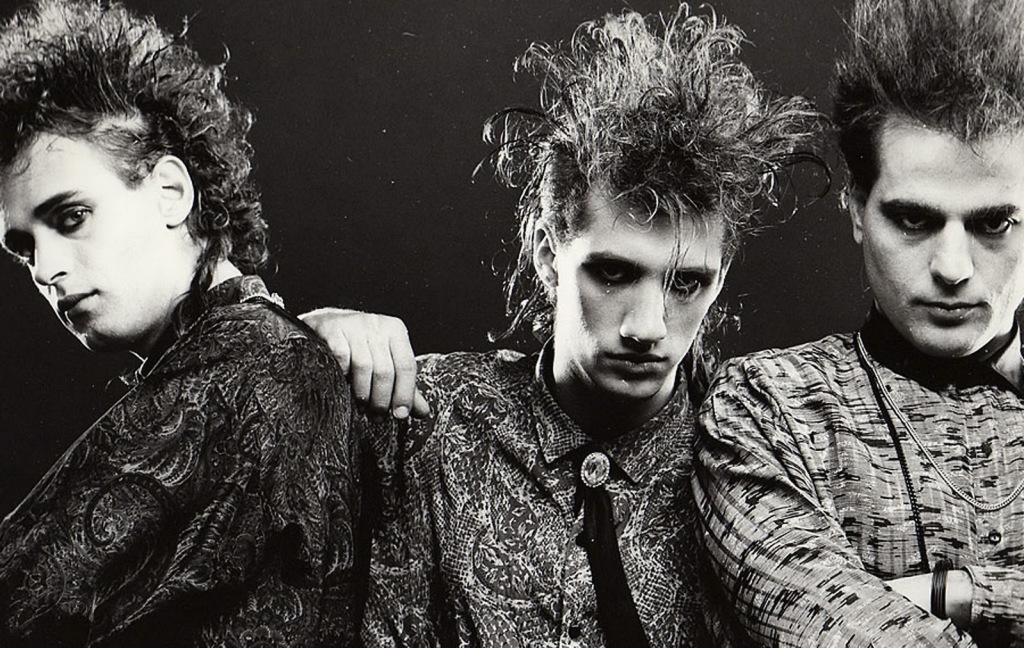
Before Latin rock became a continent-wide industry, three musicians from Buenos Aires helped prove that a Spanish-language band could sound modern, ambitious and unmistakably its own.
Soda Stereo formed in Buenos Aires in 1982 with Gustavo Cerati on guitar and vocals, Zeta Bosio on bass and Charly Alberti on drums. Over the following decade and a half, they became one of the most influential bands in the history of rock en español.
If you are learning Spanish in Argentina, Soda Stereo is also an excellent gateway into the language, music and cultural references that still shape Buenos Aires.
Why Soda Stereo Matters
Soda Stereo’s importance goes beyond record sales or nostalgia. The band helped build a genuinely Latin American rock audience across national borders at a time when touring the region was far more difficult than it is today.
Their sound changed constantly—from new wave and post-punk to polished pop-rock, psychedelia, electronic textures and heavier guitar music—while Cerati’s songwriting became part of the shared musical vocabulary of several generations.
The Three Members
Gustavo Cerati
Cerati was the band’s singer, guitarist and principal songwriter. After Soda Stereo he developed an important solo career that pushed further into electronic music, pop and experimental production.
Zeta Bosio
Bosio’s bass work helped give the band its rhythmic identity and remained central as Soda’s sound evolved from early new wave into more expansive rock.
Charly Alberti
Alberti’s drumming combined rock precision with the increasingly modern production approaches that defined the band’s later records.
Where Should a New Listener Start?
You do not need to listen chronologically. Start with a handful of songs that show different sides of the band:
- De Música Ligera — the anthem almost everyone in Argentina knows.
- Persiana Americana — sharp, immediate pop-rock.
- En la Ciudad de la Furia — atmospheric Buenos Aires imagery and one of Cerati’s defining songs.
- Cuando Pase el Temblor — an example of the band’s ability to connect rock with broader Latin American sounds and imagery.
- Trátame Suavemente — an early classic from the first album.
Essential Soda Stereo Albums
Nada Personal
The band moved beyond its debut and established a more confident identity, with songs that became enduring standards.
Signos
A key step in Soda Stereo’s development and in their expansion across Latin America.
Doble Vida
A polished, ambitious record that helped define their late-1980s international sound.
Canción Animal
Often treated as a high point of the band’s guitar-driven period and the home of “De Música Ligera.”
Dynamo
A more experimental record influenced by alternative rock and dense guitar textures.
Sueño Stereo
The final studio album brought together pop instincts, atmosphere and increasingly sophisticated production.
Soda Stereo and Buenos Aires
The band’s story is inseparable from Buenos Aires. Their music emerged from a city undergoing enormous cultural change in the early 1980s, and their lyrics, style and live history remain woven into Argentine popular culture.
“En la Ciudad de la Furia” is the most obvious Buenos Aires connection, but the larger relationship is cultural: Soda Stereo sounds like a band that wanted to be part of the global musical conversation without giving up Spanish or its South American identity.
What Happened to Soda Stereo?
The band separated in the 1990s and played a famous farewell run in 1997. They reunited for a major tour in 2007.
Cerati later suffered a stroke in 2010 and died in 2014. His music, both with Soda Stereo and as a solo artist, remains deeply influential.
Learning Spanish Through Soda Stereo
Music is useful for language learners because repetition makes pronunciation and vocabulary memorable. With Soda Stereo, you also encounter metaphor, Argentine pronunciation and references that lead naturally into conversations with local people.
Try this method:
- Listen once without reading the lyrics.
- Read the Spanish lyrics and mark words you recognize.
- Listen again while following the text.
- Look up only the words that block your understanding.
- Ask an Argentine what the song means to them.
The final step matters. A dictionary can translate a line; a local conversation can explain why a song still fills stadiums decades later.
From Soda Stereo to Rock Nacional
If Soda Stereo is your starting point, continue with Charly García, Luis Alberto Spinetta, Sumo, Los Abuelos de la Nada, Los Fabulosos Cadillacs and Los Gatos. They do not all sound alike, which is exactly the point: “Argentine rock” contains several generations and radically different styles.
Frequently Asked Questions
Where is Soda Stereo from?
The band formed in Buenos Aires, Argentina.
Who were the members?
Gustavo Cerati, Zeta Bosio and Charly Alberti.
What is Soda Stereo’s most famous song?
“De Música Ligera” is probably the most universally recognized, although the band’s catalog contains many songs that are equally important to fans.
Is Soda Stereo good for Spanish learners?
Yes. The songs are culturally important, widely discussed in Argentina and give learners a reason to engage with real Spanish outside class.
Explore Argentine Music in Buenos Aires
Start with the records, then listen to the city around them. Buenos Aires remains a major live-music center, and understanding bands such as Soda Stereo makes contemporary Argentine culture easier to read.