
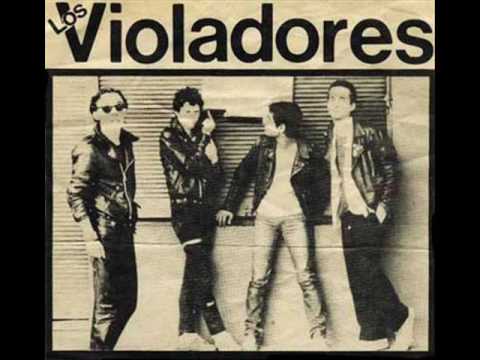
Los Violadores are a key reference for exploring punk in Argentina. Their music opens a different door into Buenos Aires culture from tango or the singer-songwriter tradition: direct vocals, electric guitars and a confrontational approach to social and political life.
Start with the sound, then add the historical context. Understanding when a recording was made is especially useful for a band whose work is closely connected with questions of authority and dissent.
Why Los Violadores matter in Argentine punk
The Museo Histórico Nacional identifies drummer Sergio Gramática, a member of Los Violadores, among the founders of punk in Argentina. The museum also includes the band’s self-titled 1983 record in its account of rock’s visual culture.
Those references place the group within an Argentine history of the genre. International punk influences are part of the picture, but they do not replace the local circumstances in which the band worked.
Music, politics and historical context
The museum’s Rock y Política exhibition material discusses Los Violadores alongside other artists who challenged the dictatorship. It offers a useful starting point for connecting the music with the political conditions of the period.
When exploring the catalog, distinguish recording dates, release dates and later performances. A video uploaded recently may feature an older recording, and a song’s historical significance cannot be established from its upload date.
Listen to “1, 2, Ultraviolento”
The original article featured this recording. Listen first for the energy of the performance and the rhythm of the vocal phrases. You can return to the language after becoming familiar with the sound.
If the player does not load, open the featured Los Violadores recording.
Three ways to listen more closely
- Rhythm: Notice how the singer places words against the beat and where the delivery becomes more emphatic.
- Language: Write down unfamiliar expressions to discuss with a teacher. Song language can be figurative, confrontational or unsuitable for everyday conversation.
- Context: Compare the musical impression with historical sources instead of using a lyric as a complete explanation of an era.
For another perspective on the band’s place in cultural history, explore the museum’s rock, design and visual art material. You can then contrast this sound with other Argentine artists in our music guides.