
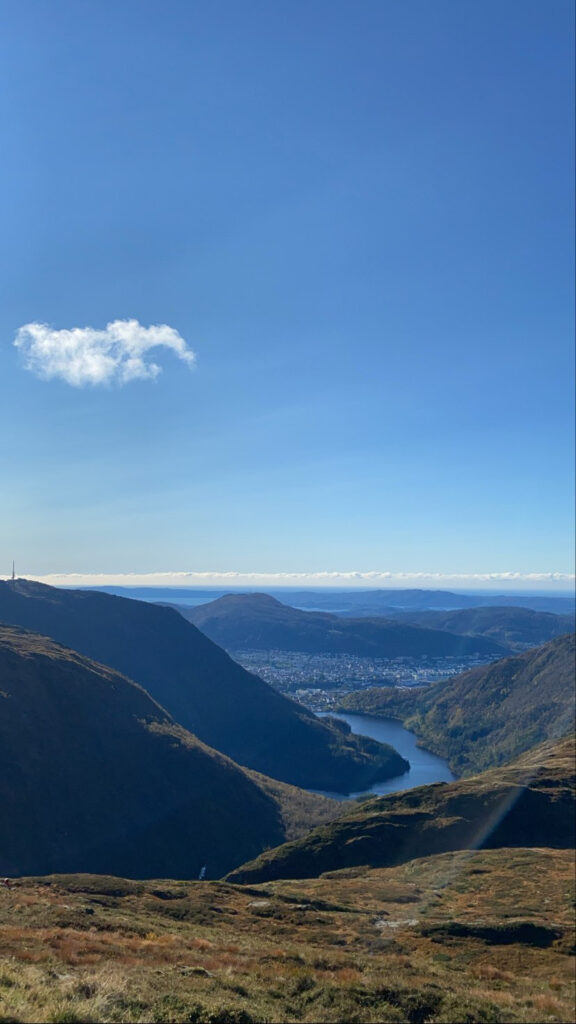
Have Spanish you haven’t used in years? Learn how immersion in Buenos Aires can reactivate vocabulary, listening confidence and real-world communication.
Today’s article is written by Sefa, a language enthusiast based in Norway who runs hablo.no, a Norwegian-language site for Scandinavians wanting to learn languages.
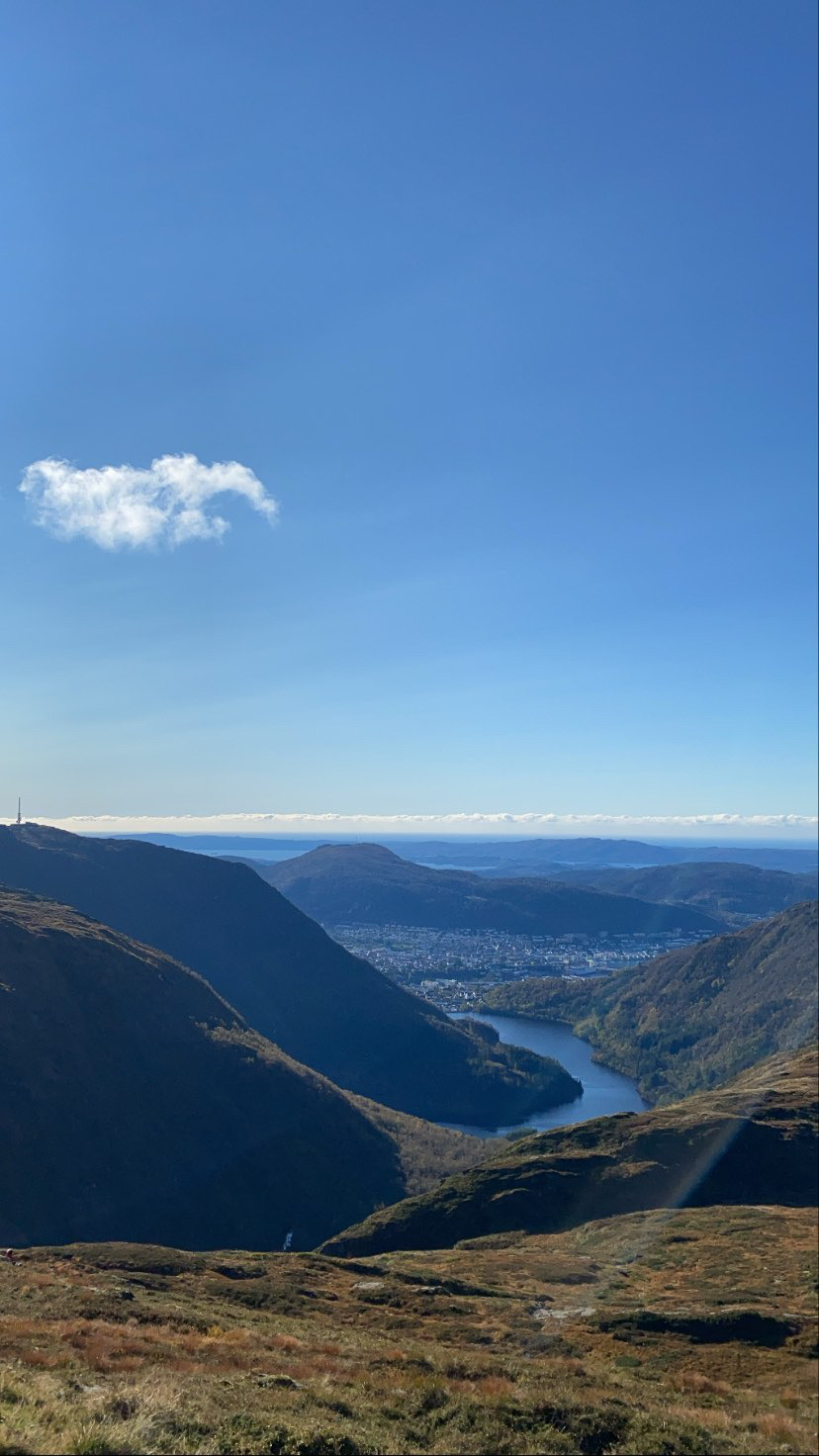
Walk into a bar in Oslo and start a conversation in Spanish. There is a reasonable chance the person next to you will understand you. Not because Norway has a large Latin American community, and not because Norwegians holiday in Spain more than other Europeans, though they do. Because the Norwegian school system has been quietly producing Spanish speakers for over two decades, one mandatory language class at a time.
Spanish is not optional in Norwegian schools. Students must choose a third language at thirteen, and for more than half of them, according to Utdanningsdirektoratet, that language is Spanish. It has been that way for a generation. Do the math and you arrive at millions of Norwegian adults walking around with conjugations, vocabulary and a grammatical foundation they learned at school and have barely touched since.
They are not beginners. They are dormant speakers, which is an entirely different thing. And dormant speakers need only one thing to come back to life.
Which brings us to Buenos Aires. The land of mate, Borges, tango and a Spanish that sounds like it took a long detour through Naples before settling in the southern hemisphere. If Norway is where the Spanish gets learned, Argentina is where it finally wakes up.
Why School Spanish Is More Useful Than People Think
Most people who studied a language at school assume it is gone. Buried under years of disuse, replaced by Netflix and routine. This is not quite true.
Language does not disappear. It goes quiet. The grammar is still in there, the vocabulary is still in there, the basic architecture of the language is intact. What is missing is activation: actual speaking, actual listening, actual consequences for getting it wrong.
This applies to Norwegians, but it applies equally to anyone who studied Spanish for a few years, dropped it, and now assumes they are back to square one. They are not. They are dormant speakers, and that is a fundamentally different starting point from a complete beginner.
The question is where to wake it up.
Think your school Spanish is completely gone? Let’s find out. Take this quick 2-minute quiz by hablo.no to test your ‘dormant’ Spanish skills:
Why Buenos Aires Is the Answer

Buenos Aires does something to language learners that other cities do not. It refuses to let you coast.
In most English-speaking or northern European countries, the moment you hesitate in a foreign language, someone switches to English. It is well-meant. It is also the single fastest way to stop learning. Buenos Aires does not do this. Argentines are proud of their language, engaged with the person in front of them and not particularly inclined to switch. That discomfort is the mechanism. It is exactly what forces you forward.
Argentine Spanish, specifically the Rioplatense variety spoken in Buenos Aires, is also surprisingly approachable for someone who learned textbook Spanish. The Italian immigration waves of the late nineteenth and early twentieth centuries gave porteño Spanish a musicality and rhythm that feels closer to European Spanish than most other Latin American varieties. The consonants are clear. The vowels are open. You will understand more than you expect.
There is voseo, yes. Argentines use vos instead of tú, with slightly different conjugations. It takes about three days to adjust to. After a week it feels completely natural.
Mente Argentina, based in Palermo and one of Buenos Aires' most established international education organisations, runs both an Intensive Spanish Program starting every Monday and a University Spanish Program at Universidad de Belgrano. Both are built for exactly this kind of student: someone with a foundation, dormant or otherwise, who needs the right environment to turn it into something real.

Buenos Aires Is Not Like Anywhere Else
And this matters more than people realise when choosing where to do an immersion program.
Buenos Aires has the café culture of Vienna, the architecture of Paris, the football obsession of the entire continent and a literary tradition that produced Jorge Luis Borges. Bookshops stay open until midnight. Dinner starts at ten. The city has more psychoanalysts per capita than anywhere else in the world, which tells you something about how seriously its residents take the business of thinking and talking.
You are not just learning Spanish here. You are learning Spanish in a city that has opinions about everything and will share them with you at length, in Spanish, whether you asked or not. The classroom is where you learn the grammar. The city is where you learn the language.
Beyond the classroom, the best Buenos Aires Tours & Activities will let you experience this culture firsthand. When you need a break from conjugations, there is tango to try, Malbec to drink, steak to eat and an entire neighbourhood of Palermo to wander through on a warm evening in April.
Practical Things To Know
Flights to Buenos Aires from most of Europe and North America route through Madrid, Miami, São Paulo or Amsterdam. Expect eleven to sixteen hours depending on your origin and connections. The time zone sits comfortably between Europe and the US West Coast.
On cost, Buenos Aires is genuinely remarkable value right now. Argentina's economic situation has made the city extraordinarily affordable for anyone arriving with euros, dollars or Norwegian kroner. A full week of accommodation, food, transport and classes costs a fraction of what the equivalent would run in almost any western European city. This is not budget travel. This is one of the world's great cities being temporarily, improbably affordable.
The best times to go are March through May or September through November. Buenos Aires summers are hot, humid and best left to the locals who know where to hide from them.
The Bottom Line
The Norway story is a fun fact. More than half the country studied Spanish at school and most of them have never had a real conversation in it. But the same is true of millions of people everywhere who studied Spanish, dropped it, and quietly assumed that chapter was closed.
It is not closed. It is just waiting for the right city.
Buenos Aires activates it, argues with it, feeds it medialunas at two in the morning and sends it home fluent.
Ready to wake up your Spanish?
Before you pack your bags for Palermo, find out exactly where you stand. Take our Complete Mente Argentina Spanish Placement Test to discover your current level.
Whether you need a jumpstart or an advanced polish, our Intensive Spanish Program and University Programs start every Monday to get you fluent in the heart of Buenos Aires.
👉 Contact a Mente Argentina Advisor Today
Sources
- Utdanningsdirektoratet: https://www.udir.no/tall-og-forskning/statistikk/statistikk-videregaende-skole/fagvalg-i-videregaende-skole/
- SSB: https://www.ssb.no/utdanning/artikler-og-publikasjoner/spansk-mest-populaert-i-skolen-mindre-utbredt-blant-voksne
- NRK: https://www.nrk.no/vestland/bekymret-for-tysk-og-fransk-fordi-_alle_-velger-spansk-som-fremmedsprak-i-skolen-1.17242093
- University of Bergen: https://www.uib.no/en/discipline/spanish
About the Author
Sefa speaks several languages including Spanish, and runs hablo.no, a Norwegian-language site helping Scandinavians find the best ways to learn new languages.